
Introduction
A business website is often the first place potential customers visit to learn about a company, explore its services, and decide whether it deserves their attention. Before making an enquiry or purchasing a product, visitors may evaluate the website's appearance, content, usability, and credibility. A website that looks outdated, loads slowly, or provides unclear information can create doubts, even when the business offers excellent services.
A professional business website design goes beyond attractive colours and modern layouts. It combines visual consistency, useful content, intuitive navigation, reliable functionality, and clear communication to create a positive experience for visitors. Every page should help users understand the business, find relevant information, and take the next step with confidence.
For businesses aiming to strengthen their online presence, understanding the relationship between website design and customer trust is essential. The right design decisions can help communicate professionalism, reduce uncertainty, and create a stronger foundation for long-term customer relationships.
What Is Professional Business Website Design?
Professional business website design is the process of planning and presenting a website that reflects a company's identity, communicates its value, and makes information easy to access. It combines visual design, user experience, content structure, accessibility, and technical performance to meet both customer expectations and business objectives.
A professional website should answer three fundamental questions quickly: What does the business offer? Who can benefit from its products or services? How can visitors contact the company or take the next step?
When these answers are easy to find, visitors can understand the business without unnecessary effort. A clear service-based website, for example, should explain its services, demonstrate relevant experience, provide genuine business information, and offer convenient ways to request a consultation or quotation.
Professionalism is not determined by expensive animations or elaborate visual effects. A simple, well-organised website can communicate greater credibility than a visually complex website that confuses visitors.
Why Does a Professional Website Build Customer Trust?
Trust develops when visitors can understand a business, verify its information, and interact with its website without encountering unnecessary obstacles. Design influences each of these experiences.
First Impressions Influence Perceived Credibility
When someone visits a website for the first time, its layout, typography, images, and content organisation shape their initial perception of the business. Inconsistent colours, broken layouts, outdated information, and poorly presented content may make the company appear less organised than it actually is.
A consistent visual identity helps establish recognition across the homepage, service pages, contact page, and other important sections. Professional photography, readable text, balanced spacing, and carefully organised content also contribute to a more credible presentation.
Clear Information Reduces Uncertainty
Visitors are more comfortable engaging with a business when they understand what it offers and what to expect. Service descriptions should explain the actual benefits, processes, deliverables, and limitations relevant to customers.
For example, a web development company should clearly describe its website design services, development capabilities, project process, and support options. Visitors should not have to search through unrelated pages to discover essential information.
Reliable Functionality Creates Confidence
A website communicates reliability through its performance as much as its appearance. Functional contact forms, accurate links, accessible navigation, secure connections, and consistent page behaviour help visitors interact with the business confidently.
When essential features fail, customers may question whether the company will provide the same level of attention to its services. Regular testing and maintenance help prevent these avoidable problems.
Essential Features of a Professional Website
The most effective features are those that support customer needs while helping the business achieve its goals. These features should work together rather than appear as disconnected design elements.
1. Clean and Consistent Visual Design
A clean layout creates a clear visual hierarchy, allowing visitors to distinguish headings, descriptions, images, and calls to action. Consistent typography, spacing, colours, and button styles make the website easier to understand.
Businesses should select a visual identity that reflects their industry and audience. A corporate consultancy may benefit from a restrained layout with clear information, while a creative business may use more expressive visuals without compromising readability.
The objective is to make the business look credible while ensuring that the design supports the content rather than distracting from it.
2. Mobile-Responsive Layout
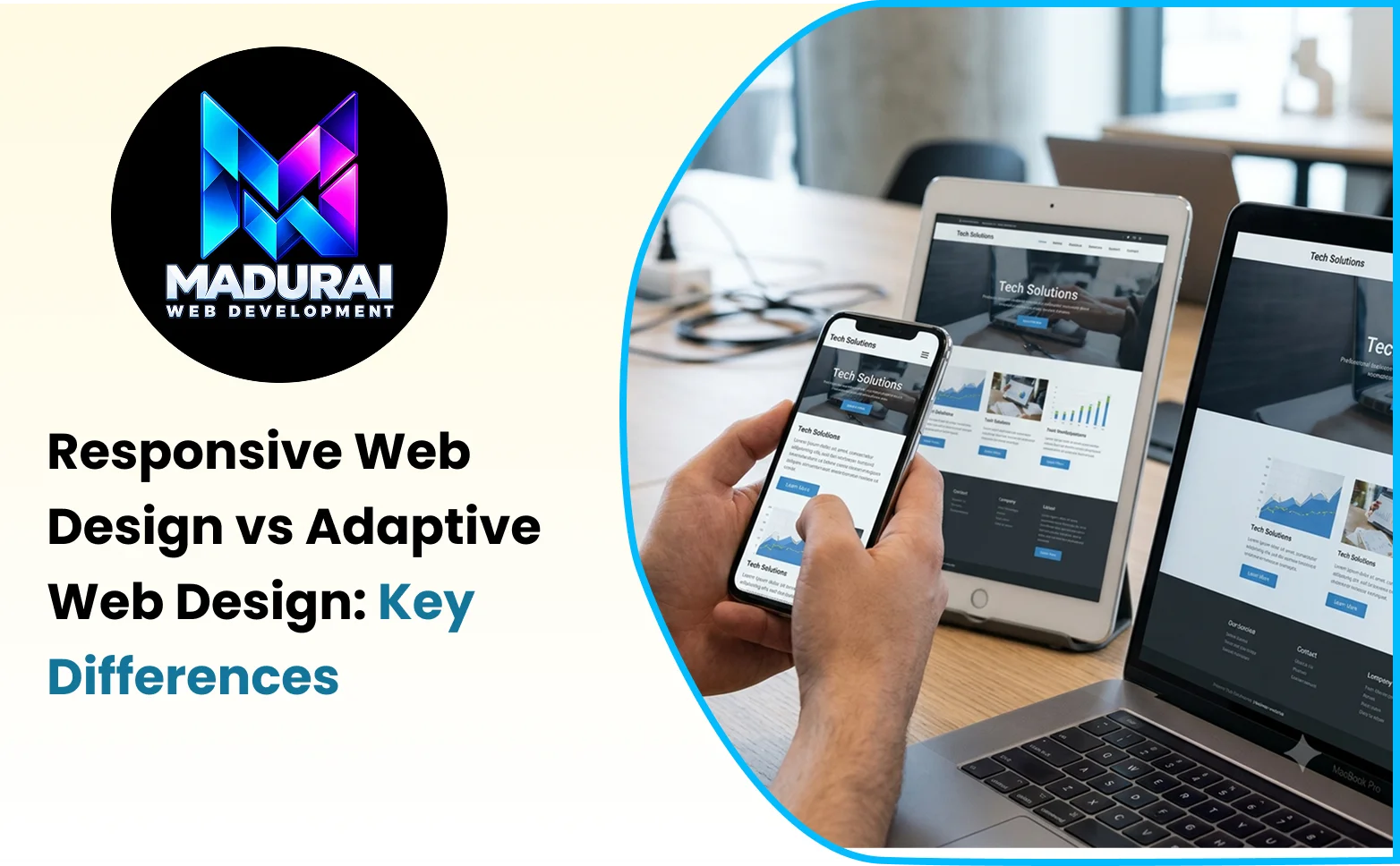
Customers access business websites through smartphones, tablets, laptops, and desktop computers. A responsive website adjusts its layout to different screen sizes, helping visitors read content, navigate pages, and use important features comfortably.
Mobile usability involves more than shrinking a desktop layout. Text must remain readable, navigation should be easy to operate, forms should be convenient to complete, and buttons should provide sufficient space for touch interaction.
Testing the website on real devices and different screen sizes helps identify issues that may not be visible during desktop development.
3. Intuitive Navigation and Logical Page Structure
Visitors should be able to find important information without guessing where it is located. A clear navigation menu typically includes relevant sections such as Home, About, Services, Portfolio or Projects, Blog, and Contact, depending on the business.
Service pages should follow a logical structure, while related pages should link to one another where appropriate. Breadcrumbs may also help users understand their location within larger websites.
A well-organised website reduces friction and allows visitors to focus on evaluating the business rather than figuring out how to use the website.
4. Useful and Well-Written Content
Content is one of the most important elements of a good website because it explains the business and supports informed decisions. Vague claims, repetitive descriptions, grammatical errors, and exaggerated promises can weaken credibility.
Effective website content answers customers' real questions in straightforward language. It explains services, identifies relevant benefits, outlines processes, and provides supporting details wherever appropriate.
Businesses should also review their content regularly to ensure that service information, contact details, staff information, and company updates remain accurate.
5. Visible Contact Information and Calls to Action
A professional website makes the next step clear. Visitors should be able to find relevant contact details, enquiry forms, telephone numbers, email addresses, or other communication options without unnecessary effort.
Calls to action such as "Request a Quote," "Book a Consultation," or "Contact Our Team" should describe what happens when someone clicks them. Their wording should match the visitor's needs and the purpose of the page.
Placing an appropriate call to action after explaining a service can encourage enquiries without making the website feel overly promotional.
6. Security and Privacy Transparency
Visitors need confidence that the website handles their interactions responsibly, especially when submitting personal details or making payments. An HTTPS connection helps protect information exchanged between the browser and website, although HTTPS alone does not guarantee that a business is legitimate.
Websites that collect personal information should explain how the information is used through an accessible privacy policy. Forms should request only the details necessary for their intended purpose, and websites should use appropriate security measures to protect submitted information.
For online stores and service platforms, secure payment handling, clear policies, and reliable account functionality are particularly important.
7. Fast Loading and Stable Performance
Website performance influences how comfortably visitors can access information and complete tasks. Large images, unnecessary scripts, poorly optimised code, and excessive third-party resources can slow down pages.
Image compression, suitable image dimensions, efficient code, caching where appropriate, and reliable hosting can improve performance. Developers should also monitor Core Web Vitals, including Largest Contentful Paint (LCP), Interaction to Next Paint (INP), and Cumulative Layout Shift (CLS).
Google's current recommended good thresholds are an LCP of 2.5 seconds or less, an INP of 200 milliseconds or less, and a CLS score of 0.1 or less, measured at the 75th percentile of page visits. These metrics help evaluate loading, responsiveness, and visual stability.
Trustworthy Website Design: Elements That Strengthen Credibility
A trustworthy website gives visitors practical reasons to believe what the business communicates. Its credibility should come from accurate information and consistent experiences rather than visual appearance alone.
Genuine Testimonials and Customer Reviews
Authentic customer feedback can help visitors understand what working with a business is like. Testimonials are most useful when they describe specific experiences, relevant services, or outcomes that can be reasonably supported.
Businesses should obtain permission where appropriate and avoid fabricated reviews, misleading claims, or altered customer statements. Linking to legitimate review profiles can provide additional context for visitors who want to research the company further.
Real Business Information
A clearly presented About page can explain the company's background, expertise, approach, and values. Relevant team profiles, project examples, business contact information, and genuine photographs can make the organisation easier to understand.
The information should reflect the actual business. Unsupported awards, invented statistics, false certifications, or unverified client logos may damage trust if visitors discover inconsistencies.
Transparent Pricing, Policies, and Expectations
When relevant, websites should explain pricing structures, quotation processes, service inclusions, cancellation conditions, delivery expectations, and support arrangements. Businesses do not always need to publish fixed prices, especially when projects require individual quotations, but they should clarify how customers can obtain accurate pricing information.
Transparency helps visitors make informed decisions and reduces the likelihood of misunderstandings after they contact the business.
Accessible and Inclusive Experiences
A trustworthy website should accommodate visitors with different abilities and browsing needs. Appropriate colour contrast, descriptive link text, keyboard accessibility, clear form labels, meaningful image alternative text, and properly structured headings help make content more accessible.
Accessibility also improves general usability by making information easier to navigate and understand. Businesses should consider accessibility during the design and development stages rather than treating it as a final visual adjustment.
Business Website Design Best Practices for Better Results
Good website design begins with understanding the audience and the purpose of each page. The most effective design decisions come from business requirements, user behaviour, and measurable objectives rather than following trends without considering their relevance.
Design Around Customer Needs
Before choosing layouts or colours, businesses should identify their target customers, common questions, decision-making concerns, and expected actions. A website for a professional service provider may need detailed service explanations and consultation forms, while an ecommerce website requires product information, delivery details, and a smooth checkout process.
This planning helps ensure that every important section serves a meaningful purpose.
Establish a Clear Visual Hierarchy
Each page should guide visitors from the main message to supporting information and then towards an appropriate action. A descriptive headline, concise introduction, relevant visual, supporting evidence, and visible call to action can create a logical flow.
The hierarchy should remain consistent throughout the website while allowing individual pages to address different user needs.
Build Search Engine Optimisation Into the Structure
Search engine optimisation should be considered during website planning, not added only after development. Descriptive page titles, useful meta descriptions, logical heading structures, meaningful URLs, internal links, relevant image alt text, and crawlable content help search engines understand a website.
Each page should have a clear purpose and provide original value for its intended audience. Structured data may also be appropriate when the page content meets the relevant requirements.
SEO improvements do not guarantee rankings, but a technically sound and well-organised website provides a stronger foundation for search visibility.
Avoid Design Choices That Distract Visitors
Excessive pop-ups, autoplay audio, unnecessary animations, crowded layouts, and intrusive banners can make a website difficult to use. Every design element should have a clear purpose and should not prevent visitors from accessing the information they need.
A restrained design often performs better from a usability perspective because it makes the important content and actions easier to recognise.
Test, Measure, and Improve
Website design should continue evolving after launch. Analytics, form submissions, user feedback, performance reports, and usability testing can reveal where visitors experience difficulties or leave without completing important actions.
For example, if a service page receives relevant traffic but generates few enquiries, the business could review the clarity of its offer, the quality of its content, the placement of its call to action, and the usability of its contact form before redesigning the entire website.
Evidence-based improvements help businesses focus resources on changes that address real problems.
Elements of a Good Website: A Practical Evaluation Framework
A practical way to assess a website is to evaluate it across five connected areas: appearance, usability, credibility, performance, and business effectiveness.
Appearance measures whether the website reflects the brand through consistent visual design, readable typography, relevant imagery, and a clear content hierarchy.
Usability examines whether visitors can navigate pages, understand the information, use forms, and complete important actions across different devices.
Credibility considers the accuracy of business information, genuine customer evidence, transparent policies, security practices, and the clarity of service descriptions.
Performance focuses on loading speed, responsiveness, visual stability, technical reliability, and compatibility across common browsers and devices.
Business effectiveness evaluates whether the website helps achieve its intended objectives, such as generating enquiries, encouraging bookings, supporting sales, or helping customers find relevant information.
These areas should be assessed together. A visually impressive website may still underperform if its forms are confusing, its information is incomplete, or its pages load poorly. Likewise, a technically reliable website may struggle to generate leads if visitors cannot understand its value.
Businesses can use this framework during a new website project, a redesign, or a regular website audit to identify priorities and plan improvements.
How Professional Website Design Supports Business Growth
A professional website can contribute to business growth by making the company's services easier to discover, understand, and evaluate. When visitors find relevant information quickly and have confidence in the business, they have a clearer path towards making an enquiry or purchase.
A well-structured website can also support digital marketing campaigns by providing relevant landing pages for organic search, paid advertisements, email marketing, and social media traffic. Instead of directing every visitor to a generic homepage, businesses can guide people towards pages that address their specific interests.
For local businesses in Madurai, accurate contact information, relevant service pages, location details where appropriate, and convenient enquiry options can help prospective customers understand how to engage with the company. However, website design alone cannot guarantee leads or sales; results also depend on the quality of the offer, audience relevance, competition, marketing, and follow-up.
The long-term value comes from treating the website as an evolving business asset rather than a one-time design project. Regular content updates, technical maintenance, performance monitoring, and improvements based on customer behaviour help the website remain useful as the business develops.
Conclusion
A professional and trustworthy website combines attractive design with practical usability, accurate information, reliable performance, and transparent communication. Each element contributes to how visitors perceive the business and whether they feel confident taking the next step.
By focusing on mobile responsiveness, clear navigation, genuine credibility signals, secure interactions, useful content, and measurable business objectives, companies can create a stronger online presence. The goal is not simply to make a website look modern but to make it dependable, accessible, informative, and easy to use.
For businesses planning a new website or improving an existing one, Madurai Web Development can be considered as a resource for exploring website design and development requirements that align with their business goals. A carefully planned website provides a solid foundation for customer trust, digital visibility, and sustainable online growth.